
Snapshot History of Rum
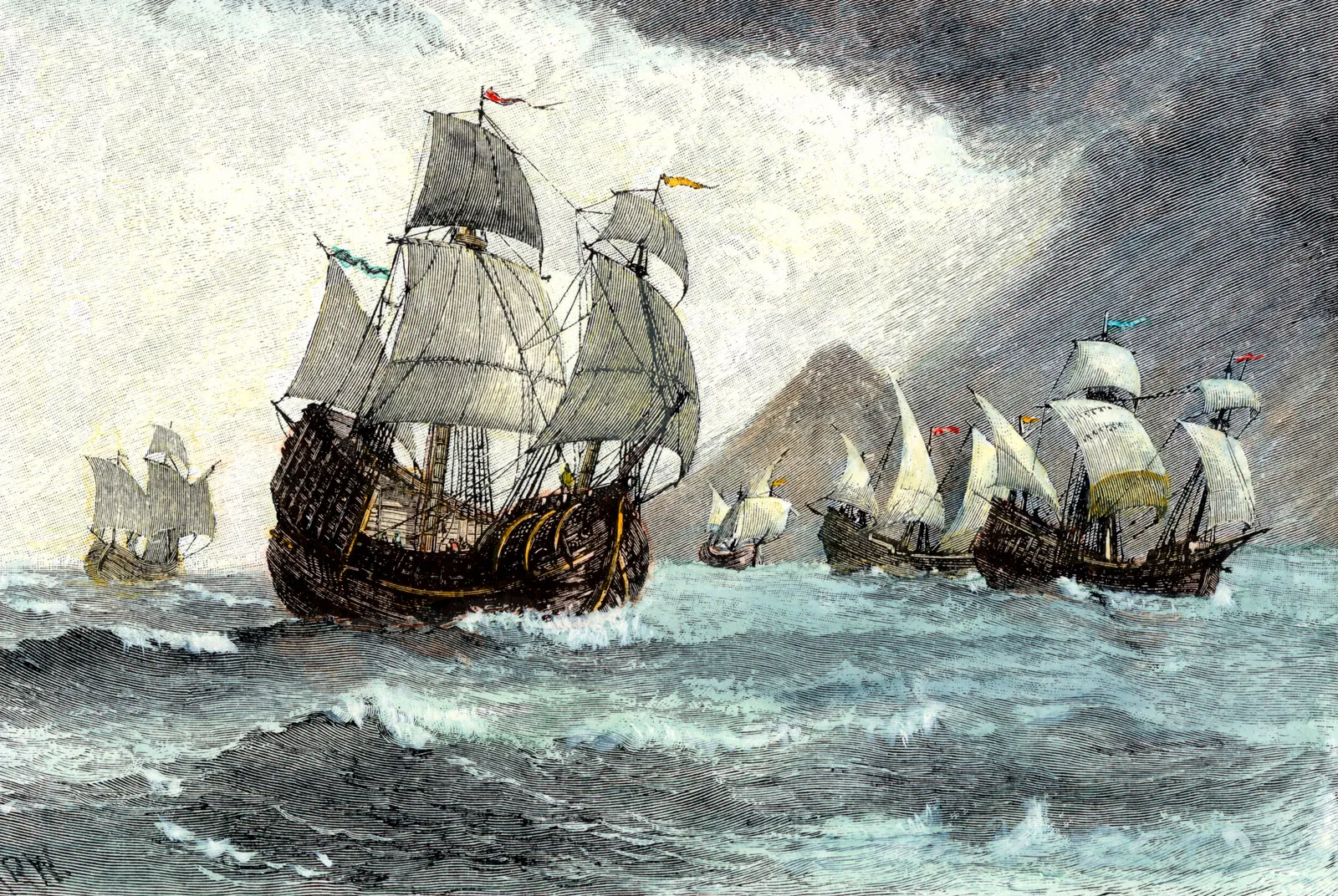
Rum is one of the world’s most interesting spirits with a rich history. The lush liquor has its earliest recorded history stemming all the way back to the 1300’s when Marco Polo was offered the spirit in what is now Modern-day Iran.
Rum really took off though in the 1600’s coinciding with Europe’s conquest of the New World and the Slave Trade that was introduced with it. Caribbean nations within the sphere of the British West Indies began exporting rare sugar cane to the newly formed colonies in America and to nations such as France and Spain; it did not take long for Rum to become popular in these regions. The British were cognizant about this profitable crop and imposed the Molasses Act in 1733 which was the start of the grumblings that lead to the colonies breaking away from the Empire in 1776.
Spanish Rum:
Since molasses and sugar cane production was intricately linked with Imperialism, the Islands have unique styles of production based on the imperial power that ruled them at the time. Islands under the Spanish sphere of influence crafted rums that are characteristically lighter in flavour and colour, generally made by column distillation and mostly aged only a few years if at all.
British Rum:
Rum production in the British-ruled areas has a rich historical and cultural significance. The unique blend of pot and column distillation techniques results in a distinctive flavor profile that sets these rums apart. This nuanced blend creates a heavier, more robust flavor, making them highly sought after for connoisseurs and enthusiasts alike. The aging process further enhances the complexity and depth of these rums, with some expressions boasting a remarkable age of over a decade. This extensive aging imbues the rum with layers of richness, creating a truly exceptional spirit that embodies the heritage and tradition of the region.
French Rum:
Finally, French controlled countries are known for their Rhum agricole which is predominantly produced from sugar cane juice and column distilled. The agricole style has a fruity nose and relatively dry mouthfeel, with more vegetal tones. Cognac and Armagnac barrels may be used for aging these rhums. Here at Imbibe we carry a plethora of rums across the various styles of production. Most of these rums are incredibly boutiquey and will not be found at most retail locations.
Below are a number of the rums we carry in house along with the style it is produced in.
British-style rums:
– El Dorado 8-year-old Rum – Guyana
– El Dorado 12-year-old Rum – Guyana
– Foursquare Covenant – 18-year-old age statement – Barbados
– 2010 Foursquare Mark XXI – Barbados
– Probitas White Blended Rum – Barbados
– R.L. Seales 12-year-old rum – Barbados
– Hampden Estate 8-year-old rum – Jamaica
– Hampden Estate Pagos – 100% Ex-Sherry Cask Finish – Jamaica
– Papalin 7 year old – Jamaica
French-style rums:
– Rhum Rum Blanc Agricole – Guadeloupe
– Ak Zanj Rum – Haiti
Spanish-style rums:
– Diplomatico Riserva – Venezuela
– Zafra Master Reserve 21-year-old Rum – Panama
– Don Libertad Blanco – Mexico
The rum scene is an exhilarating journey that intertwines history, culture, and techniques. Spanish, British, and French rums, each have their own narrative of colonial influence and style. It’s like immersing yourself in a captivating history lesson with every sip!
Stop by Imbibe sometime, or browse our website. You’ll discover an impressive lineup of rums. Ultimately, rum pays homage to craftsmanship and tradition, offering us rum aficionados a diverse array of flavors and experiences to relish. Here’s to celebrating that! Cheers!


Leave a Reply